Il mondo del marketing è consapevole di quanto le emozioni siano essenziali: pertanto, i migliori brand hanno sviluppato strategie in grado di valorizzare questo fattore chiave. In questo contesto rientra la brand activation: scopriamo come funziona, obiettivi, benefici ed esempi.
Che cos’è la brand activation
La brand activation è una strategia di marketing finalizzata a rendere il brand attivo, rilevante e riconoscibile. Punta, attraverso esperienze dirette e coinvolgenti, a creare un’interazione concreta con il consumatore.
I principi essenziali della brand activation sono 4:
-
- Esperienzialità. Il consumatore vive il brand attraverso esperienze immersive;
- Interazione, in quanto il rapporto è bidirezionale e partecipativo;
- Storytelling e coerenza. Ogni attivazione trasmette una storia, in linea con i valori del brand;
- Misurabilità. Le attività generano dati utili per valutare ROI e risultati.
Perché una brand activation è strategica per un brand
I brand vivono in un contesto saturo, in cui la competizione coinvolge anche la capacità di creare connessioni emotive.
Una campagna di brand activation rappresenta un investimento strategico in quanto permette di trasformare il consumatore da osservatore passivo a partecipante attivo, coinvolgendolo e influenzandone percezione, fiducia e comportamento d’acquisto.

Gli obiettivi di una campagna di brand activation sono l’aumento della brand awareness e dell’engagement, l’incremento delle vendite e della fidelizzazione, la possibilità di favorire il testing di prodotto e di raccogliere dati e insight rilevanti.
Rispetto alle tradizionali forme di comunicazione, la brand activation garantisce vantaggi specifici:
-
- Genera un ricordo duraturo;
- It reduces the distance between brand and consumer;
- Improves the perception of quality and reliability of the brand;
- It helps build and strengthen brand equity;
- It enables competitive differentiation.
Types of brand activation
A brand activation campaign can vary in format depending on the objectives, target audience, and retail context. Let’s explore the main types.
Roadshow
Roadshows and experiential events bring the brand to the local area, generating direct contact with the public and involving different cities.
Pop-up store
These are temporary spaces designed to offer engaging and immersive experiences. They combine engagement and sales activities, experiential design, and direct interaction with the product.
Product sampling
Sampling allows consumers to test the product, increasing their propensity to purchase. This activity must be supported by specialized promoters, storytelling that enhances the product, and a coherent context.
In-store promotion
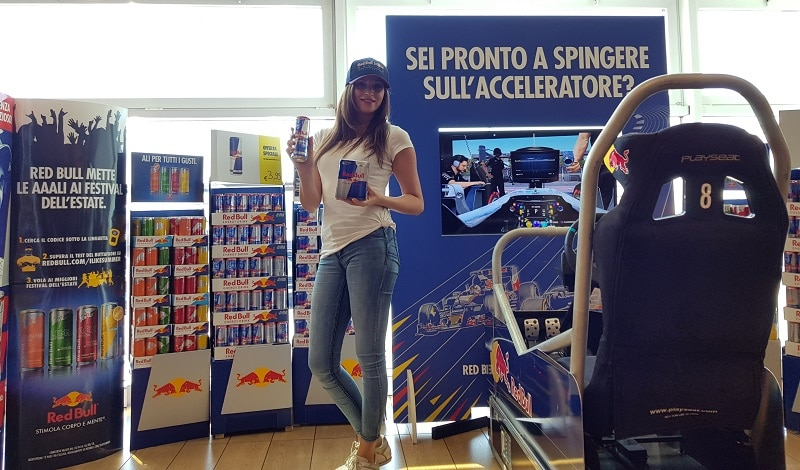
In-store activities include assisted promotions, product demonstrations, and sales animations. Human contact strengthens the emotional connection with the brand and accelerates the purchasing decision-making process.
Digital and social media activation
Digital campaigns increase the reach of activations. User-generated content (UGC) and influencer collaborations increase credibility and engagement.
Installations and immersive experiences
Immersive installations and experiences surprise and engage the public through innovative visuals and technologies (augmented reality or virtual reality).
How to Design an Effective Brand Activation Campaign
To design a successful brand activation campaign, it’s essential to strategically plan every detail. Let’s evaluate the key steps.
Definition of objectives and targets
It is necessary to define clear and measurable objectives and identify the target audience through market research.
Concept creation and storytelling
It’s essential to create a concept that’s consistent with the brand’s values, simple, immediate, and capable of evoking positive emotions. Storytelling guides the entire experience.
Choice of formats and channels
Based on objectives and context, the most effective activation format is determined, integrating physical and digital channels to maximize the reach of the experience.
Staff selection and training
The staff, as the face of the brand, must be professional, trained in the product, and capable of conveying values and emotions by guiding direct interaction.
Engagement Phases
Activations are structured into three essential moments: attention, activation, and interaction. The consumer must be involved in a direct and participatory experience, which strengthens the emotional bond and loyalty .
Concrete benefits and expected results
A well-designed activation can provide important benefits, including:
-
- Increase engagement and interactions , through memorable experiences that strengthen brand identity;
- Data collection and feedback . Interactions generate valuable insights into consumer behavior;
- Word of mouth and sharing . Satisfied participants become brand advocates and generate spontaneous content on social media;
- Competitive differentiation . Activation allows the brand to stand out, emerging even in crowded markets;
- Loyalty and brand equity . Positive experiences increase loyalty, trust, and perceived brand value.
Evaluating campaign effectiveness is an essential step in transforming engagement into a real growth opportunity for the brand. The result areas to consider, with key metrics and KPIs, are:
-
- ROI . Comparison between activation costs and generated revenue;
- Loyalty , through retention rate, Customer Lifetime Value (CLV), repeat purchases;
- Brand equity , through Net Promoter Score (NPS), perceived quality, willingness to pay a premium price;
- Sales performance , analyzing sales volume, qualified leads, cost per customer acquisition;
- Digital and social metrics , such as follower growth, use of dedicated hashtags, sentiment analysis and UGC.
Brand activation examples and case studies
To understand the true impact of a brand activation campaign, it’s helpful to evaluate success stories. Let’s explore two:
-
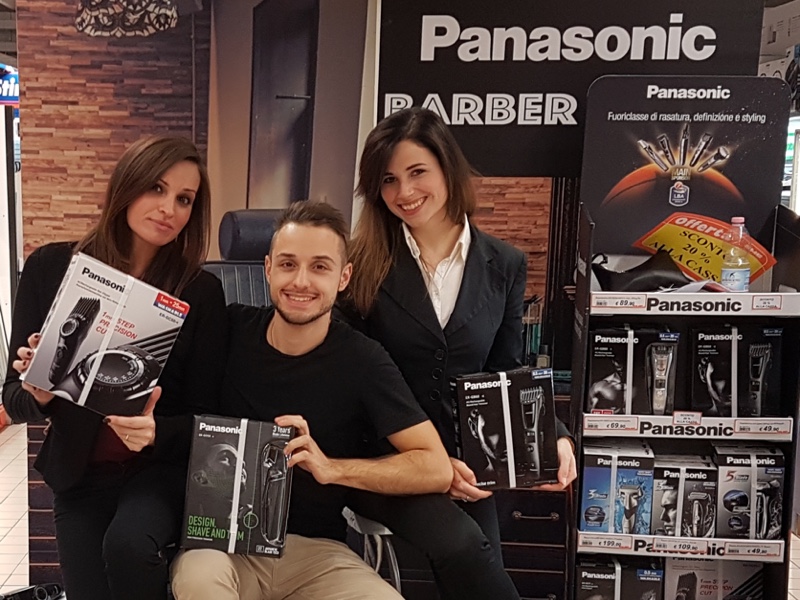
- Panasonic Barber Show Tour . The brand invested in an in-store barber tour, offering customers a shaving service directly in the stores. Through the barber tour, organized in collaboration with Hostess&Promoter , Panasonic attracted the interest of passersby, engaging them and inviting them to try the service. Customers tested the brand’s products while getting a beard and haircut, enjoying a beneficial and positive experience;
- IKEA . The brand transformed some areas of its stores into interactive themed environments, allowing customers to experience real-life home scenarios and test products in real-world settings. This activation strategy increased engagement, improved brand perception, and boosted sales.
Risks and Limitations: Here’s What to Consider Before Launching a Campaign
Despite the benefits, brand activation campaigns can present risks and challenges that must be carefully evaluated before launching. The main limitations of activations can include unclear objectives, insufficient budget, and inadequate resource allocation.
Further limitations include ineffective targeting and a lack of integration between offline and online activities. Furthermore, some experiential activities can be difficult to quantify, making it difficult to measure their ROI.
The concrete risks of an inadequate brand activation campaign include:
-
- Brand safety and credibility . Placing your brand in inconsistent contexts can cause damage to your image;
- Lack of authenticity . If the campaign is perceived as inconsistent or opportunistic, it undermines consumer trust;
- Single-channel dependence . There’s no need to concentrate activities on a single channel. A multichannel approach increases the effectiveness and resilience of activation;
- Legal and privacy issues . The use of personal data and targeting activities entail legal liability. Compliance with regulations and the GDPR is essential.
Trust Hostess-Promoter for your marketing initiatives
Achieving tangible results through a brand activation campaign means deploying expertise, organization, and qualified resources. Hostess&Promoter supports brands in designing and managing experiential marketing activities, developing customized, results-driven solutions. Transform your brand into a memorable experience: contact Hostess&Promoter to implement a marketing strategy that excites and converts.